How to navigate the writing framework
The writing framework is non-statutory guidance for primary school teachers and leaders, published by the Department for Education. These articles help you to navigate the writing framework. Each focuses on a key area of writing and offers practical tips, reflection questions and action steps you can use to support your school’s ongoing writing journey.
-

What is the writing framework and how will it help schools?
Literacy expert Sarah Scott explains what the Department for Education's writing framework is and how primary school teachers and leaders can use it to support your school's writing journey.
-

Why writing matters and how schools can strengthen it
By putting writing at the heart of your teaching, you set your pupils up for success not just in the classroom, but wherever life takes them. This article helps teachers and school leaders to use the Department for Education's writing framework. It covers the foundations of transcription and composition and how working memory and executive function play a part in writing. It explores what makes writing complex and challenging, and helps you to reflect and act on ways to target your teaching where it matters most.
-

Four ways to strengthen writing in Reception
Reception is a crucial time for building the foundations of writing, but it’s just one part of a much bigger picture. This article helps teachers and school leaders to use the Department for Education's writing framework. It explores four ways you can strengthen writing in Reception through fostering a love of language, creating a writing community, mastering transcription, and giving explicit handwriting instruction to prepare children for Key Stage 1 and beyond.
-

How to teach handwriting
By making handwriting a core part of your teaching, you give pupils the confidence and fluency they need to thrive as writers. This article helps teachers and school leaders understand why handwriting matters and how it underpins writing success. You’ll find practical guidance on developing handwriting skills, supporting physical development, and weaving regular practice into daily routines, so that every pupil can build strong foundations for writing, both in school and beyond.
-

How to teach spelling: a crucial part of writing
Putting spelling at the centre of your teaching will help pupils unlock confidence and creativity in their writing. We offer practical guidance to show why strong, explicit spelling instruction matters from the very start, and how it supports writing success. Discover clear strategies, engaging activities and prompts to help you reflect on your approach. Prioritising spelling means every pupil can move past the basics and enjoy the creative side of writing.
-

Why sentence-building is a foundation of great writing – and how to teach it
Sentences are the foundation of great writing, they help pupils become confident writers. Mastering sentences supports the shift from spoken to written language. This article explores why sentence-building matters, how it supports pupils to construct clear, engaging writing, and what effective teaching looks like in practice. With strong sentence skills, pupils can write with clarity and confidence.
-
How to help pupils master composition in writing
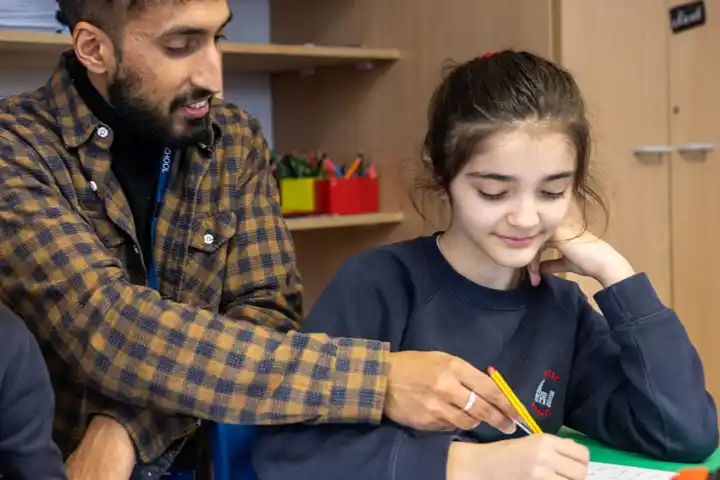
Effective writing is a process, moving through stages such as planning, drafting, editing and sharing. Discover how guiding pupils through each step helps them organise ideas, build confidence and refine their language. By supporting every stage, you'll help pupils develop the skills to express themselves clearly and creatively in their writing.
-

How to help children see themselves as writers
When pupils believe they have something worth saying, writing suddenly feels different. It’s not just a task to finish, but a way to share who they are and what matters to them. This article explores why writer identity matters, how it shapes pupils’ engagement, and what you can do to help every child see themselves as a writer.
-
How can teachers support pupils who struggle with writing?
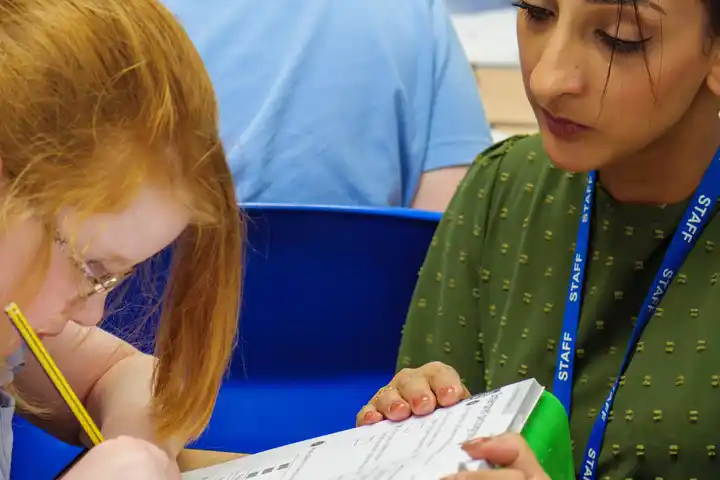
Writing can feel easy for some pupils, but for others it’s a real challenge. With the right support, every child can grow as a writer. Discover practical strategies to spot barriers, boost progress and celebrate every pupil’s achievements in writing.
-

Why writing across the curriculum matters – and how to embed it
Writing plays a vital role in every lesson. When pupils write to explain, describe or reflect, they deepen their understanding and strengthen their memory of what they’ve learned. Explore why writing across the curriculum matters and practical routines you can embed in any subject.
-

How secondary school teachers can support pupils’ writing
The jump from primary to secondary school is a milestone for every pupil. This article explores how you can support pupils as they transition to secondary school and offers practical strategies for identifying and helping those who struggle with writing.
-

Six ways school leaders can help improve writing
Strong leadership is the foundation of a thriving writing culture. Writing is one of the most demanding skills pupils learn. It requires time, practice and expert teaching. This article supports headteachers with practical ideas, reflection prompts and simple steps to help you boost writing across your school.
-

How can literacy leaders support pupils and staff to thrive in writing?
Writing is one of the most complex skills pupils learn. From creating a whole-school writing culture to developing an effective curriculum and using different types of assessment, here are some ways you can help pupil feels confident to write and help teacher feel equipped to support them.
-

How can teachers best use writing assessment information?
How is writing assessed in primary schools? This article explains the main national assessments in primary schools, from the Early Years Foundation Stage profile to teacher assessments at the end of Key Stage 2, and explains how you can use assessment information thoughtfully. The aim isn’t to teach to the test, but to use what you learn to help every pupil move forward as a confident writer.
-

Ten things teachers can do to help children succeed in writing
Ten things you can do, based on what the Department for Education's writing framework says, to help give every child the best chance to succeed in writing. Sarah Scott shares some practical tips for teachers who want to develop writing skills in the classroom.